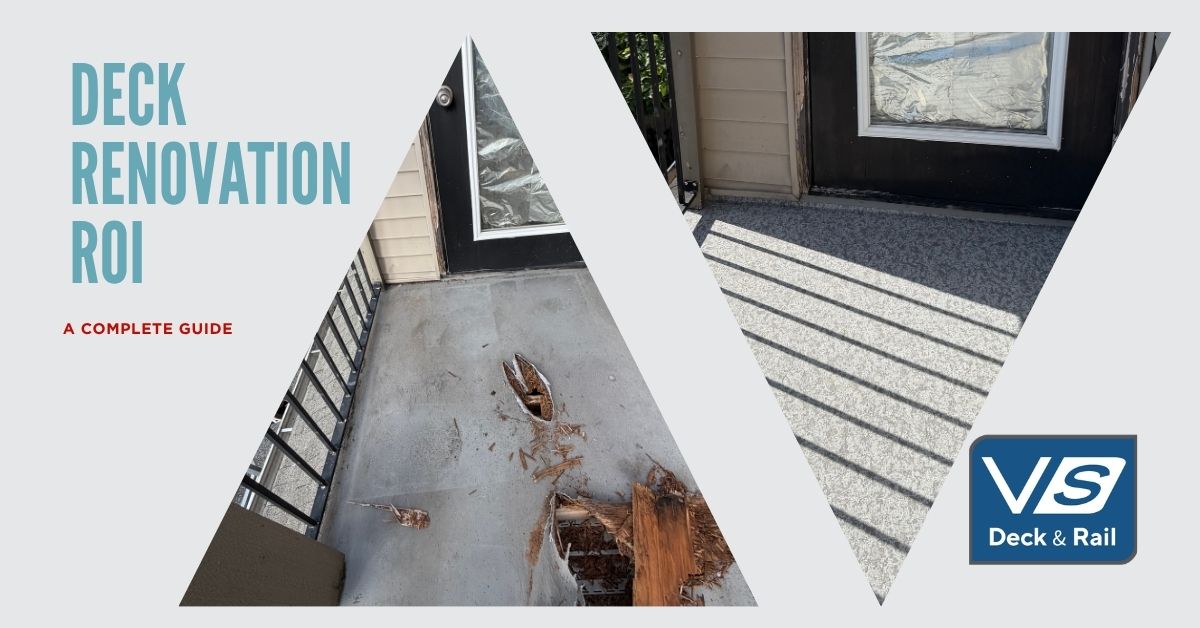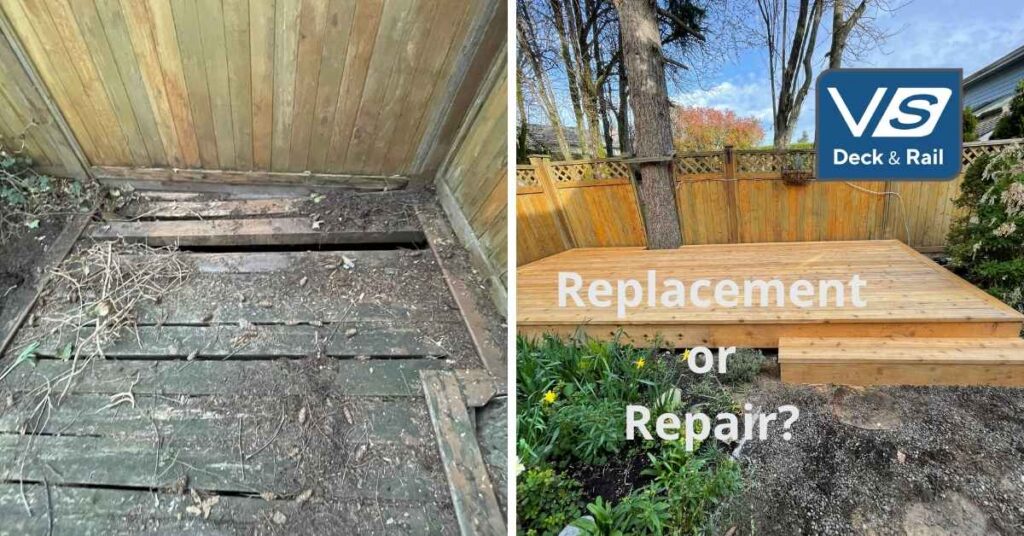
Your deck is a cherished outdoor space for relaxation, entertainment, and enjoying the beautiful BC weather. But like any structure exposed to the elements, it ages and can develop problems. While minor repairs can often extend a deck’s life, sometimes the damage is too extensive, making replacement the safer and more cost-effective long-term solution.
If you’re unsure whether your deck needs a simple fix or a full overhaul, look out for these seven critical signs. Recognizing them early can prevent accidents and costly structural failures.
1. Widespread Rotting or Decay
This is perhaps the most alarming sign. Check the main structural components: posts, beams, and joists. Push a screwdriver or awl into the wood. If it sinks in easily, or if you see visible soft, spongy, or crumbling wood, it indicates rot. Surface mold or mildew can sometimes be cleaned, but deep-seated rot compromises the deck’s integrity and usually means replacement is necessary. Pay close attention to areas near the ground or where water tends to pool.
2. Significant Structural Sagging or Movement
A healthy deck feels solid underfoot. If you notice your deck sagging in the middle, dipping significantly when walked upon, or exhibiting excessive bounce, it’s a major red flag. This usually points to weakened joists, beams, or support posts that can no longer adequately bear the load. Such structural compromise is a serious safety hazard and almost always necessitates a full replacement.
3. Loose or Damaged Railings and Connections
Railings are critical for safety. If your deck’s railings feel wobbly, have loose balusters, or show signs of rot or corrosion at their connection points, it’s a serious concern. Similarly, check how the deck is attached to your house. If the ledger board (the board connecting the deck to the house framing) is pulling away, rotting, or corroded, the entire deck’s connection to your home is compromised, posing a significant risk.
4. Widespread Surface Damage and Cracking
While minor surface cracks and splinters can occur with wood decks over time, widespread, deep cracking, cupping, or severe splintering across multiple boards is a sign of significant material degradation. If the surface is no longer just unsightly but feels generally unstable, or if you frequently worry about splinters, the deck boards themselves may have reached the end of their usable life.
5. Failed Waterproofing or Drainage Issues
For decks over living spaces (like a walk-out basement or upper-level deck), proper waterproofing is essential. If you notice water stains, leaks, or mold growing on the ceiling below the deck, the waterproofing system has failed. Even for standard decks, poor drainage can lead to premature rot in the substructure. If water consistently pools on the surface or seeps into the supporting structure, it’s a sign the deck’s design or materials are no longer effectively managing moisture.
6. Age and Outdated Design
While not a structural issue on its own, the age of your deck matters. Many older decks built decades ago may not have been constructed to current safety codes regarding post depth, footing size, railing height, or joist spacing. If your deck is 25-30 years or older, even if it appears sound, it might be a candidate for replacement simply to bring it up to modern safety and building standards, especially if you plan on making modifications or selling your home.
7. Multiple Failed Repair Attempts
If you’ve poured money into repairs over the years – replacing a few boards here, sistering a joist there, tightening railings – but the problems keep reappearing, it might be time to cut your losses. Constantly patching an aging structure can become more expensive and less effective than replacing it outright. It’s often more economical and provides better long-term results to start fresh with a new, properly designed and built deck.
When Repair Isn’t Enough: The Case for Replacement
While targeted repairs can address isolated issues, if you’re seeing multiple signs from this list, especially involving the core structure (posts, beams, joists, ledger board), it’s highly probable that replacement is the safer and more sensible option. A new deck not only ensures safety but also allows you to upgrade materials, design, and features to better suit your modern lifestyle and increase your home’s value.
Is your deck showing its age? Don’t wait for a serious problem to develop. Contact VS Deck for a professional assessment. We can provide an honest evaluation of your current deck’s condition and recommend the best course of action, whether it’s a repair or a complete, beautiful replacement. Get your free quote today!