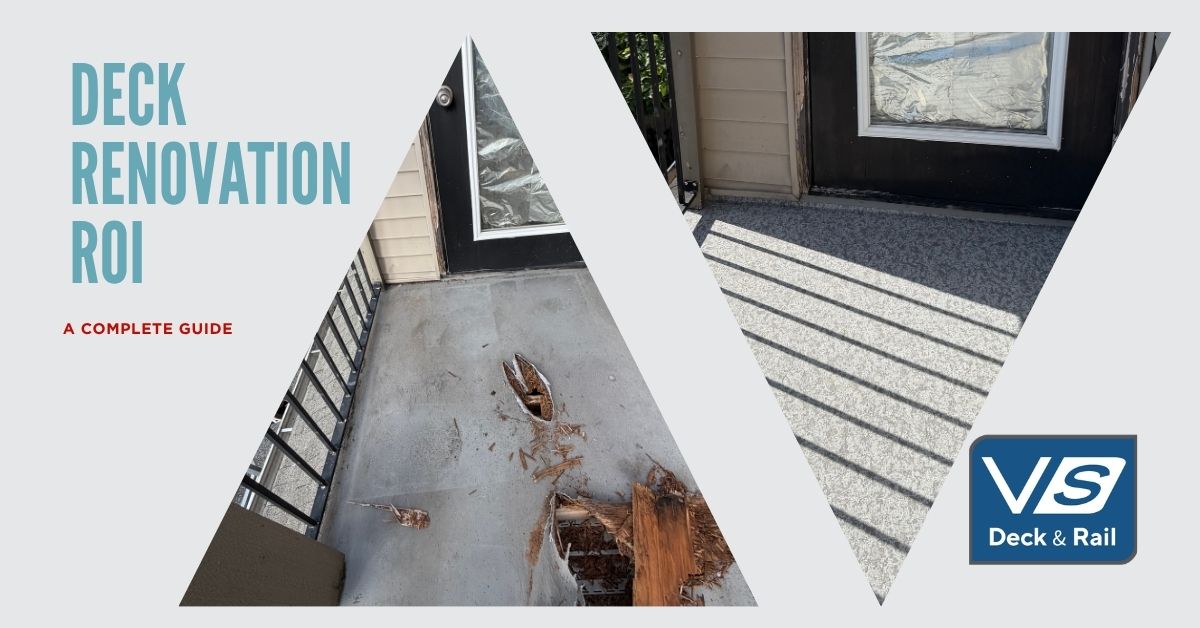
Why Railing Choice Matters in Metro Vancouver
Your deck railing is more than just a safety feature—it’s a defining design element that can make or break your outdoor space’s aesthetic appeal. In Metro Vancouver’s unique climate, your railing choice also impacts durability, maintenance, and long-term satisfaction.
Our region’s combination of heavy rainfall, moderate temperatures, and occasional salt exposure near coastal areas creates specific challenges for deck railings. The right material and design can withstand these conditions while enhancing your home’s architectural style.
Popular Railing Materials Compared
Glass Railings: Modern Elegance
Pros:
- Unobstructed views of Vancouver’s mountains, ocean, or city skyline
- Contemporary, minimalist aesthetic that complements modern homes
- Easy to clean with just glass cleaner
- Wind protection without blocking breezes
- Excellent for smaller spaces where you want to maximize visual openness
Cons:
- Higher initial cost than most other options
- Can show fingerprints and water spots
- May require professional installation
- Can feel less private than solid options
- Potential for bird strikes (though bird-friendly glass is available)
Best for: Homes with scenic views, modern architectural styles, and homeowners who prioritize aesthetics over budget.
Aluminum Railings: The Versatile Workhorse
Pros:
- Excellent durability in Metro Vancouver’s wet climate
- Wide variety of colors and styles available
- Powder-coated finishes resist corrosion and fading
- Relatively low maintenance
- Good strength-to-weight ratio
- More affordable than glass
Cons:
- Can feel less premium than glass or wood
- May not suit traditional home styles
- Can become hot to touch in direct sunlight
- Some designs may feel generic
Best for: Most Metro Vancouver homes, especially those wanting durability without breaking the bank.
Cable Railings: Industrial Chic
Pros:
- Minimal visual obstruction with clean lines
- Industrial/modern aesthetic that’s trending
- Good for waterfront properties (compliant with many regulations)
- Relatively low maintenance
- Can be combined with wood posts for warmth
Cons:
- Cable tension needs regular adjustment
- Can be expensive due to specialized hardware
- May not suit traditional home styles
- Can feel cold or industrial in certain contexts
- Requires careful installation for safety compliance
Best for: Modern homes, industrial-style properties, and waterfront locations.
Wood Railings: Classic Charm
Pros:
- Natural warmth that complements many home styles
- Can be customized with intricate designs
- Traditional aesthetic for heritage homes
- Can be stained to match existing wood features
- Repairable in sections
Cons:
- High maintenance in our wet climate
- Susceptible to rot, warping, and insect damage
- Requires regular staining/sealing
- Shorter lifespan than metal options
- Can splinter over time
Best for: Traditional homes, heritage properties, and homeowners who don’t mind regular maintenance.
Design Considerations for Your Home
Architectural Style Matching
Your railing should complement your home’s architectural style:
- Modern/Contemporary: Glass, cable, or sleek aluminum work best
- Craftsman/Bungalow: Wood railings with decorative details
- Mid-Century Modern: Horizontal cable or aluminum with clean lines
- Traditional: Wood or aluminum with classic baluster designs
- Coastal: Glass or cable to maximize views
View Considerations
Consider what you’re looking at from your deck:
- Mountain Views: Glass or cable railings preserve the vista
- City Views: Any style works, but glass maximizes the urban panorama
- Garden Views: Wood or aluminum can frame garden features nicely
- Water Views: Glass or cable railings are often required by regulations
Privacy Needs
Different railing heights and styles offer varying privacy levels:
- Maximum Privacy: Taller wood railings or those with privacy screens
- Moderate Privacy: Standard height with solid panels
- Minimal Privacy: Glass or cable railings
Maintenance Requirements by Material
Low Maintenance Options
Glass:
- Clean with glass cleaner every few months
- Check hardware annually
- No painting or sealing required
Aluminum:
- Wash with soap and water annually
- Check for loose fasteners
- Touch up scratches with touch-up paint
Cable:
- Check tension annually
- Clean with soap and water
- Lubricate moving parts as needed
High Maintenance Options
Wood:
- Clean annually
- Sand and refinish every 2-3 years
- Check for rot and insect damage annually
- Replace damaged sections as needed
Cost Comparison and Budget Planning
| Material | Cost per Linear Foot | Installation Cost | 10-Year Cost (including maintenance) |
|———-|———————|——————-|————————————-|
| Glass | $75 – $150 | $30 – $50 | $1,200 – $2,500 |
| Aluminum | $30 – $60 | $20 – $35 | $600 – $1,200 |
| Cable | $40 – $80 | $25 – $40 | $800 – $1,600 |
| Wood | $20 – $40 | $15 – $25 | $1,500 – $3,000 |
Note: Costs vary based on height, complexity, and local labor rates in Metro Vancouver.
Building Code Requirements in Metro Vancouver
Metro Vancouver municipalities generally follow these guidelines:
- Height: Minimum 36 inches for residential decks
- Spacing: Balusters or cables must not allow a 4-inch sphere to pass through
- Load Requirements: Must withstand specific lateral and vertical loads
- Height Above Grade: May require different specifications based on fall height
Always check with your local municipality before finalizing your railing design. Some areas have specific requirements for waterfront properties or heritage districts.
Installation Best Practices
Professional vs. DIY
Hire Professionals when:
- Working with glass railings
- Dealing with complex designs
- Unsure about local building codes
- Need warranty coverage
DIY-Friendly Options:
- Simple wood railings
- Pre-fabricated aluminum systems
- Cable railing kits
Installation Tips
- Proper Post Installation: Ensure posts are securely anchored to the deck structure
- Level and Plumb: Use levels and plumb bobs for straight, even railings
- Weather Considerations: Install during dry weather for best results
- Safety First: Use proper safety equipment and techniques
- Follow Manufacturer Instructions: Especially important for warranty coverage
Conclusion: Making Your Final Decision
Choosing the right deck railing involves balancing several factors:
- Budget: Determine what you can afford upfront and long-term
- Style: Match your home’s architecture and your personal taste
- Maintenance: Be honest about how much upkeep you’re willing to do
- Climate: Consider Metro Vancouver’s wet conditions
- Views: Preserve or enhance what you see from your deck
- Regulations: Ensure compliance with local building codes
Quick Recommendation Guide:
- Best Overall Value: Aluminum railings
- Best for Views: Glass railings
- Best for Modern Homes: Cable railings
- Best for Traditional Homes: Wood railings
- Best for Low Maintenance: Glass or aluminum
Remember, your deck railing is a long-term investment. Take time to research options, get multiple quotes, and consider how your choice will look and perform for years to come.
Ready to upgrade your deck railing? Contact VS Deck for a free consultation and expert advice on choosing the perfect railing for your Metro Vancouver home. We’ll help you navigate all the options and ensure your new railing meets both your aesthetic goals and local building requirements.
—
This guide was created to help Metro Vancouver homeowners make informed decisions about deck railing selection. For personalized advice specific to your property, please consult with a local deck building professional.